A coffee capsule pilot should produce more than a box of samples. It should leave the project team with a record of what was tested, which version was accepted, what remains uncertain and what a future production process must do.
That requires a little discipline before the first capsule is filled. If the brief keeps changing, samples are not labeled or everyone evaluates the drink differently, the run may consume material without reducing much risk.
This guide explains how to scope a useful pilot for coffee or another powdered drink. It covers the project brief, test matrix, production steps, review record and handoff into small-batch or automatic production.
What counts as a pilot?
A pilot is a controlled sample-production stage between concept work and a repeatable commercial process. It uses the intended ingredient and a realistic capsule, lid and filling method. The scale may be small, but the questions are practical: Can the powder be handled? Can the target dose be repeated? Does the seal remain clean? Does the capsule brew as intended? Can the finished sample support a buyer or internal decision?
It is not the same as mass production. A pilot does not prove long-term line yield, shelf life or regulatory compliance, and it does not guarantee sales. Those checks need their own plans. The value of the pilot is that it reduces the unknowns before larger commitments are made.
For a broader view of the stages, see ONWIN's Sample-to-Scale Roadmap.
Define the pilot decision first
Complete this sentence before planning the run:
After reviewing these samples, we will be able to decide whether to ______.
The blank might be "continue with the Nespresso-compatible format," "present two flavors to our distributor," "approve the printed lid direction" or "begin semi-automatic equipment selection." A pilot with a decision has a clear end point. A pilot that is asked to solve formulation, packaging, market research and factory design all at once usually becomes difficult to evaluate.
The project brief: information to provide before shipping material
Product and market
State the product type, target country, expected serving style and the brewing system the consumer will use. Include positioning and channel information when it affects the sample: retail, food service, distributor presentation, e-commerce or an exhibition.
Ingredient information
Describe the ingredient or formula, how it is currently prepared and any known handling issues. Include storage requirements and relevant safety information for shipment and testing. If the formula is confidential, agree on the handling process and NDA before material is sent.
Proposed capsule and package
List the preferred format, cup material, lid type and print requirement if they are known. If they are not known, mark them as test variables rather than making an early commitment. ONWIN can review current empty capsule and sealing film options against the project.
Sample use and acceptance
Explain who receives the samples and what they need to approve. A technical sample for internal brewing tests may not need retail-ready print. A sample for a buyer meeting may need a stable visual identity even if the production pack has not been finalized.
Build a small, traceable test matrix
Keep the number of variables under control. If capsule format, dose, grind, film, seal setting and recipe all change at once, it will be hard to understand why one sample worked better.
A simple pilot matrix may contain:
| Test area | What to record | Typical decision |
|---|---|---|
| Ingredient handling | preparation, batch, visible flow or dust behavior | whether material preparation or dosing needs adjustment |
| Capsule format | format, cup construction, internal components | which format proceeds to the next round |
| Dose | target and measured sample data | acceptable range for taste and process |
| Seal | cup/film combination, observed defects, test setting | material combination and scale-up starting point |
| Brewing | machine, method, flow observations, sensory notes | preferred sample version |
| Presentation | lid artwork, coding area, protective pack | what is ready for external review |
Label every sample version so the physical capsule, brewing notes and process record can be connected later. A photo of an unmarked tray is not a test record.
The pilot process, step by step
1. Scope review
The supplier and project owner review the brief, identify missing information and agree on the test boundary. This is the time to separate facts from assumptions. If the brewing format or ingredient condition is still uncertain, that uncertainty belongs in the plan.
2. Material receipt and condition check
Confirm that the received material matches the agreed sample, is correctly labeled and is in suitable condition for the planned work. Do not begin with an unidentified bag or a formula version that has changed without notice.
3. Ingredient handling trial
Observe preparation and dosing behavior before committing the whole sample. For coffee, grind distribution and density can affect filling and extraction. Instant beverages may introduce different issues, such as fine dust, high flow or adhesion near the sealing area.
The Middle East beverage project in ONWIN's case library is a useful example. The customer's instant drink powders behaved differently from standard ground coffee, so the later automatic dosing arrangement was configured around that material behavior. Read the full pilot-to-scale case.


4. Format and component trial
Check the candidate capsule with the intended internal structure and lid. When more than one format is being considered, keep the comparison focused on the decision in the brief. Avoid turning the first run into a catalogue of every available cup.
5. Filling and sealing trial
Run enough controlled samples to observe dosing and sealing consistency. Keep the sealing area clean and record the material combination and process settings used for each version. Separate setup pieces from review samples so they are not mistaken for accepted output.
6. Brewing and review
Use a defined brewing method. Record the machine, sample version and observable results. Sensory review should compare versions under similar conditions and capture specific comments rather than a single score with no explanation.
If external reviewers receive samples, send a short instruction sheet so they know which versions to test, in what order and how to return feedback.
7. Close the pilot with a written decision
At the end, identify:
- the accepted or preferred version;
- versions that were rejected and why;
- open questions that need another trial or separate validation;
- the material and process assumptions for the next stage;
- the owner and date of the next decision.
Without this closeout, the same questions tend to return during equipment selection or packaging approval.
What the pilot output should include
The exact deliverables depend on the project, but a useful output pack normally contains:
- labeled physical samples or a clear sample register;
- the approved project brief and test matrix;
- material, capsule and film identification for each version;
- process observations and brewing notes;
- photos that can be matched to sample versions;
- accepted, rejected and unresolved items;
- a recommendation for the next test or production stage.
If equipment selection follows, add the confirmed capsule format, intended film supply, dosing requirement, product-change expectations and realistic volume plan. These are more valuable to a machine supplier than a generic request for the fastest line.
What determines pilot cost and timing?
There is no useful universal price or fixed duration. The scope changes with the number of formulas and formats, material condition, custom printed components, required test rounds, sample presentation and shipping. A project that uses an existing cup and plain lid is different from one that requires a new package construction and several artworks.
Ask for a scoped quotation based on the brief. It should state what is included, which materials are supplied by each party, how additional rounds are handled and what output will be delivered. ONWIN confirms timing after reviewing these details rather than promising the same schedule for every powder.
Common causes of delay
- The material arrives without a version number or handling information.
- The formula changes after the test components have been prepared.
- Printed artwork is treated as a technical prerequisite when plain material would be sufficient for the first process trial.
- Too many variables are added to one run.
- Reviewers have no shared brewing method or acceptance rule.
- The team expects the pilot to certify shelf life or mass-production yield.
Most of these can be prevented in the project brief.
Handoff from pilot to production
Once a version is accepted, choose the next production stage according to demand and operational readiness.
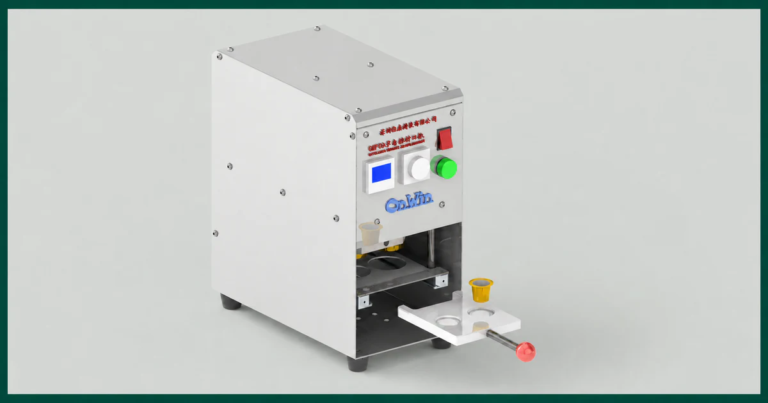
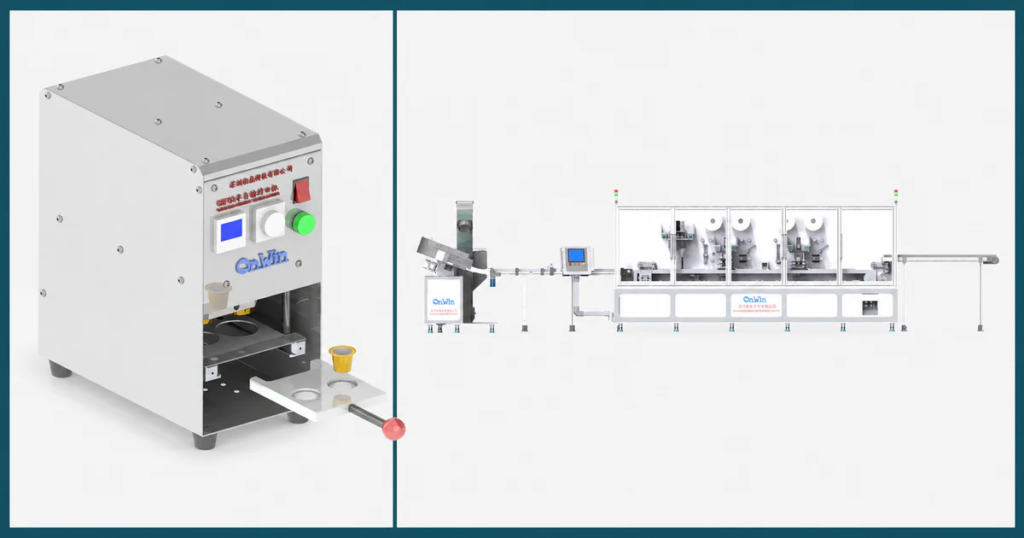
Small-batch work may use a separate doser and semi-automatic sealing process. Growing projects may need an automatic machine configured for the validated format and material. The current ONWIN filling machine range includes different capacities and format configurations; not every machine supports every capsule. Model selection must therefore follow the confirmed project requirements.
Repeat key checks when the process moves to a new machine, component batch or supplier. Scale-up is a controlled transfer, not a copy-and-paste of one pilot setting.
Pilot brief checklist
Before the run begins, confirm that the team can answer these questions:
- What decision must the pilot support?
- Which formula version and material batch are being tested?
- Which capsule and lid variables are in scope?
- How will samples be labeled?
- What brewing method will reviewers use?
- What counts as an acceptable result?
- Which claims require separate shelf-life, safety or compliance validation?
- Who signs off the result and chooses the next step?
Frequently asked questions
Can a pilot include several recipes?
It can, but each recipe adds material, setup and review work. Keep the matrix small enough that every version remains traceable and receives a meaningful evaluation.
Does the pilot have to use custom printed lids?
Not always. Plain test material may be more efficient for early process work. Printed lids become important when artwork, registration or external presentation is part of the decision.
Can pilot settings be used directly for mass production?
They provide a starting point. The production machine, component batch, environment and run length may differ, so key parameters need to be verified during scale-up.
What should I send with my ingredient?
Send the agreed product brief, material identification, handling and safety information, formula version and the decision the pilot is intended to support.
Plan the evidence before producing the samples
A good pilot is easy to explain after it is finished. The samples are labeled, the comparisons are fair, the result is written down and the next decision is clear.
Send ONWIN your ingredient, target market, proposed format and pilot goal. We will review the scope and confirm the materials, test stages and deliverables before production begins.
Send a pilot brief or contact ONWIN for a project-specific review.